
Hydrology & Hydraulics

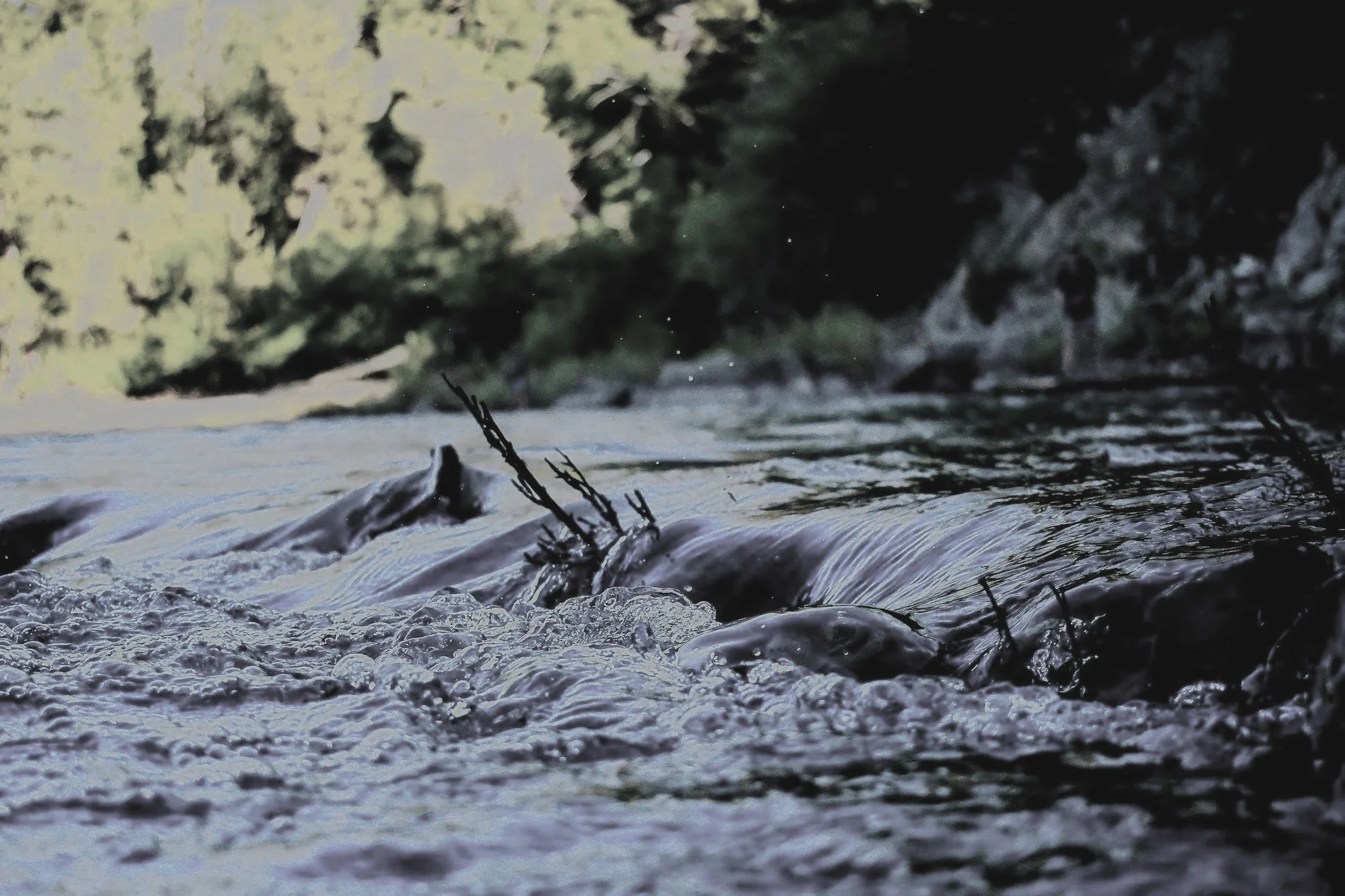
Hydrology and hydraulics (H&H) is the work the firm was built on: how much water arrives, how it moves through an opening or along a bank, and what that means for design and floodplain review.
Bridge openings and structure recommendations. We analyze existing and proposed crossings so the opening meets the client’s hydraulic criteria and the floodplain rules that apply. Typical scope is hydrology, HEC-RAS, a hydraulic report and plans, floodplain permitting, and scour guidance for piers and abutments. We work directly with the structural engineer so replacement options are not redesigned in circles.
Scour. Skewed crossings and migrating channels are where openings fail. We flag those sites, estimate total worst scour for pile depth and footing elevation, and recommend countermeasures that can actually be built without triggering a heavier permit than the project needs.
Schedule. Most jobs run on a normal design calendar. When they do not — derailment, lost embankment, failed culverts — a PE can mobilize within 24 hours. Survey and analysis start together. Staff are reachable by cell.
Rail

The Coldwater Engineering team can meet the following needs for any railroad client:
H&H
Environmental Permitting
Survey
Emergency Response
General Civil Engineering
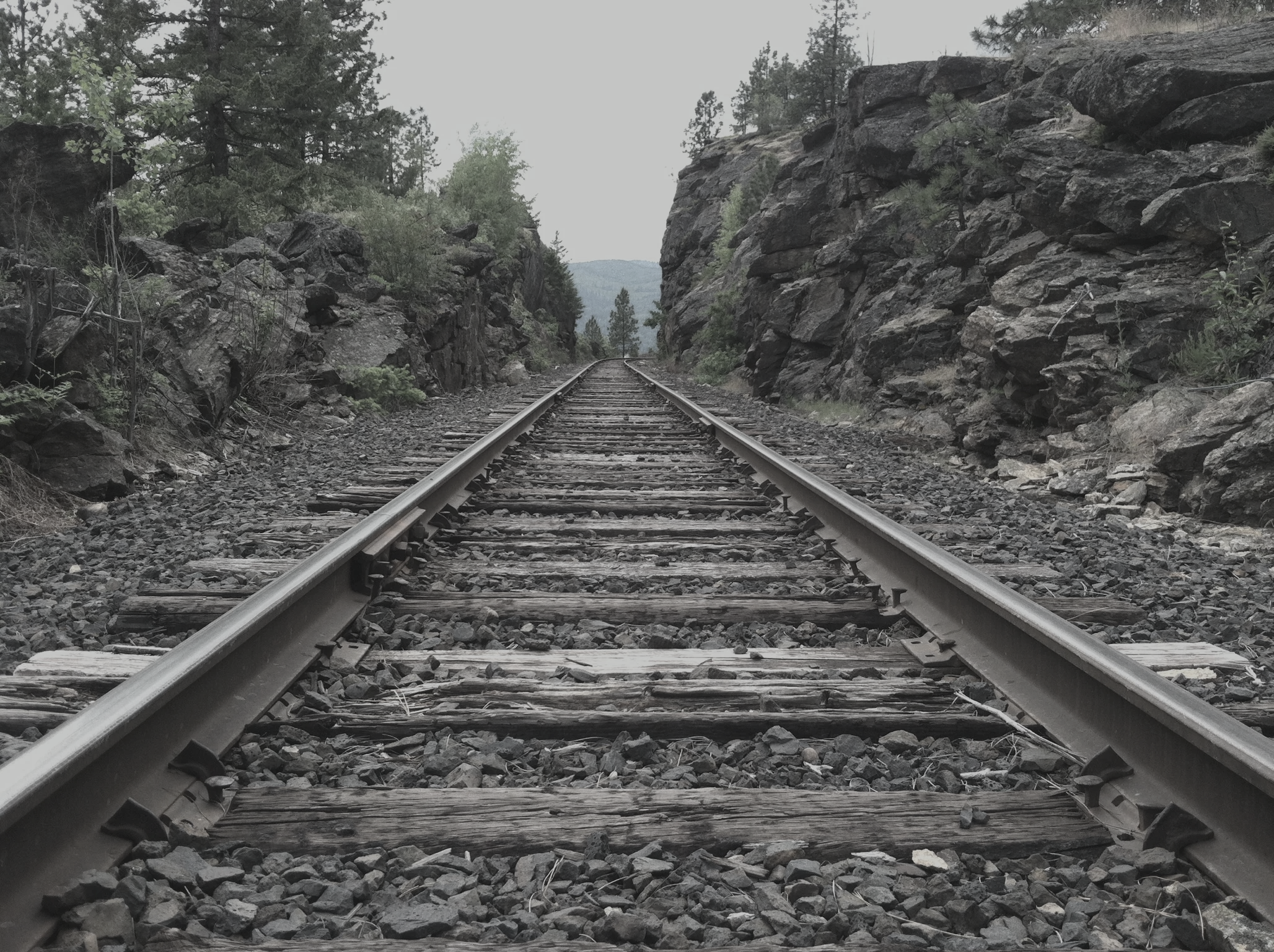
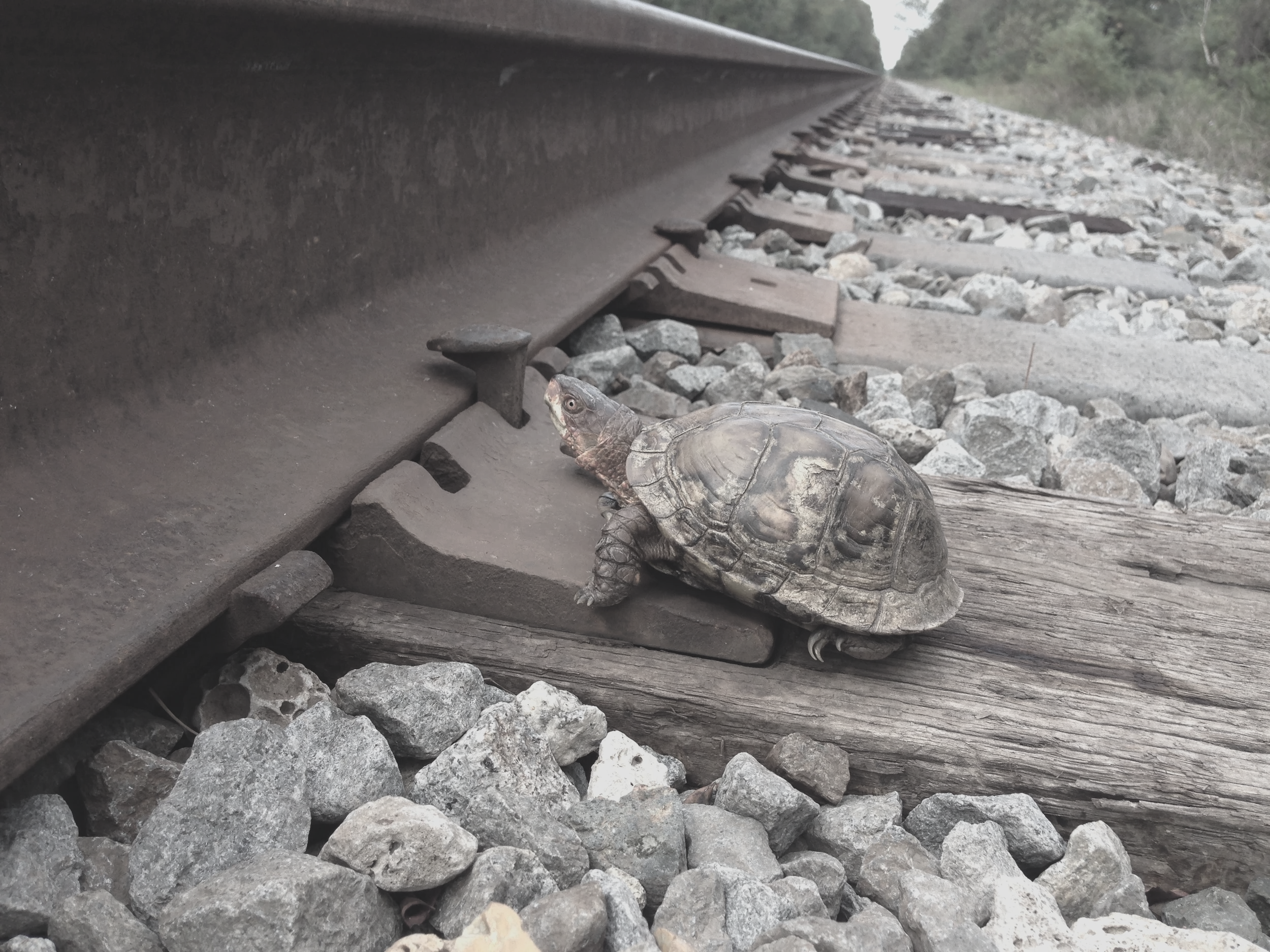
The firm was built for railroad work. For Class I, Class II, and short line clients, we handle H&H, environmental permitting, survey, emergency response, and general civil.
Nearly 1,000 Class I projects in 23 states. Master services agreements with Union Pacific and CPKC. Contracts with BNSF, Watco, Preferred provider for bridge and culvert studies. Continual services agreement with Montana Rail Link.
Staff serve on AREMA Committee 1 (Roadway and Ballast), Subcommittee 3 (Natural Waterways), and Team 41. We have been at the AREMA annual conference since 2012 and at the Railroad Environmental Conference.
Permitting & Environmental Services
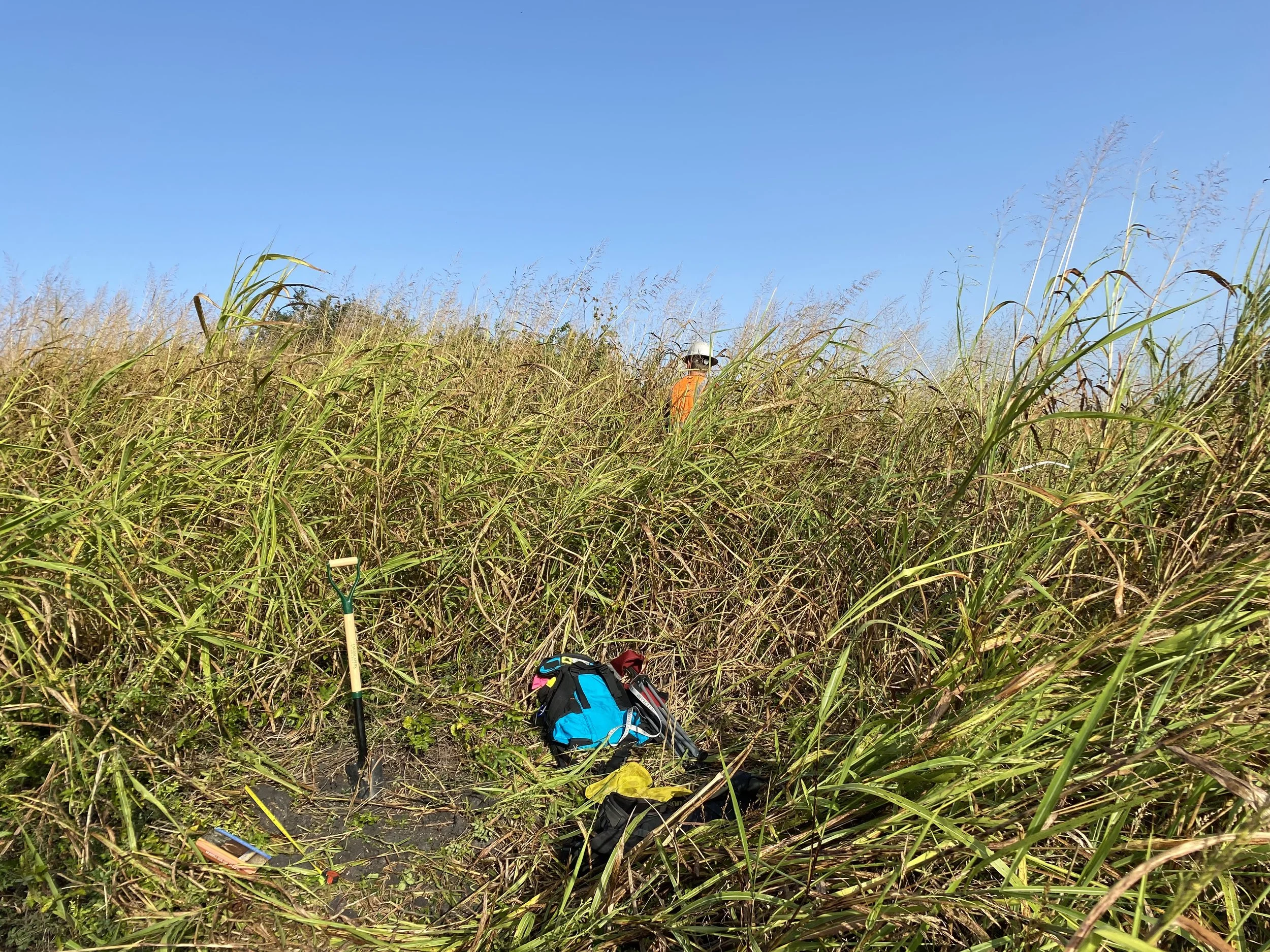
We take projects from survey and H&H through permit closeout so the application matches the design that was actually modeled. That work covers railroad bridge replacements, capacity jobs, and emergency repairs, and the same sequence applies to other public and private sites. Permitting experience in more than 15 states.
Clean Water Act. Most jobs fall under Corps Section 404. We use Nationwide Permits and Regional General Permits where they fit, and Individual Permits when they do not. Scope starts with a jurisdictional call on the stream or wetland. Wetland delineations are done in-house.
State and local. Section 401 water quality certification is either automatic under the NWP or a separate individual certification — we check which one the state is using that year. Some states also require their own bridge or culvert permit. FEMA-mapped 100-year floodplain work needs a local Floodplain Development Permit; when the hydraulics warrant it, we prepare CLOMR/LOMR materials.
Construction. SWPPPs and erosion-control plans for disturbances over an acre, including railroad capacity work, and revisions when the track design moves.
Survey

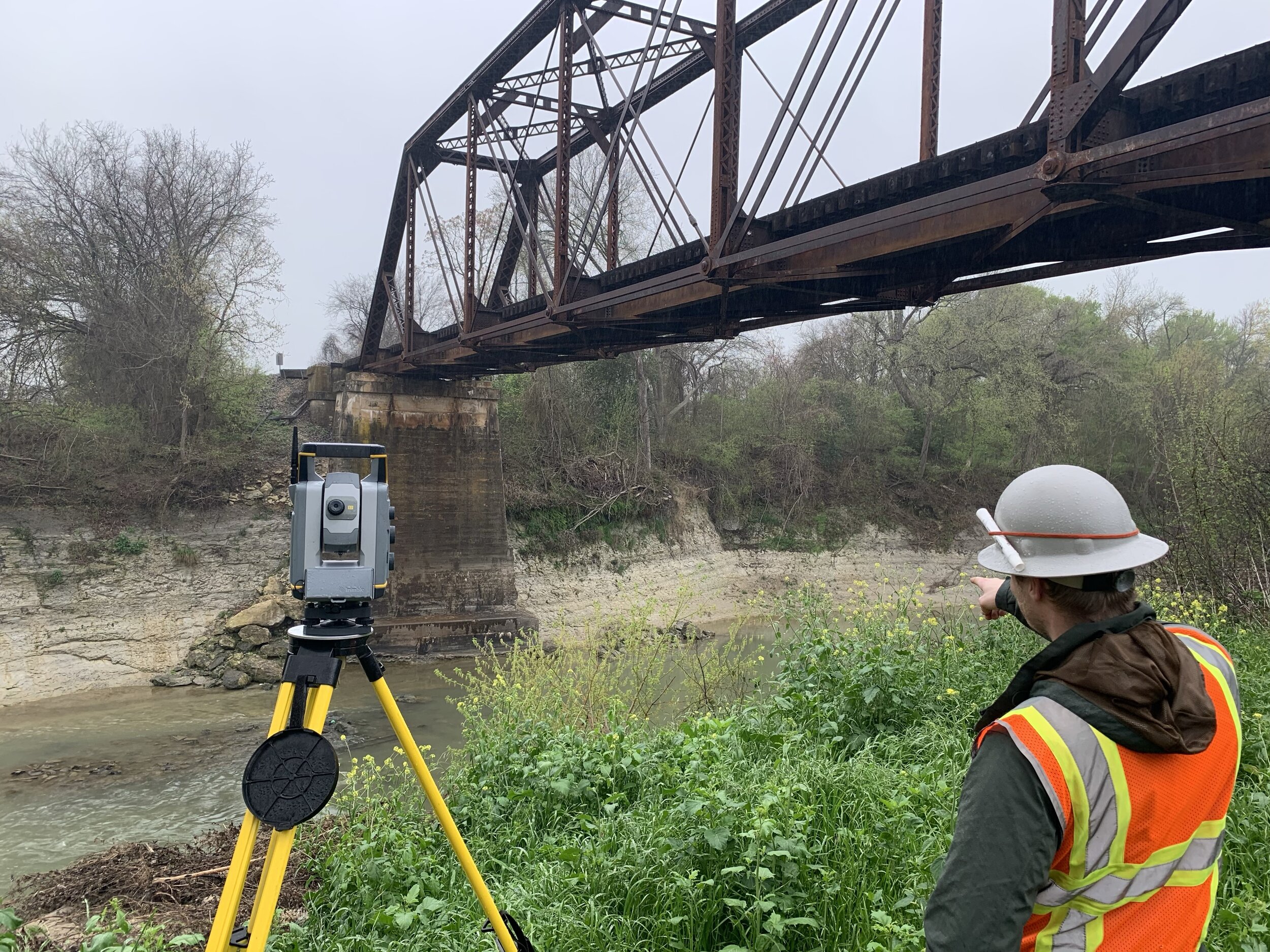
Engineers and scientists run the field survey so H&H and permitting are built on the same trip. One crew picks up hydraulic, structural, environmental, and construction data — including wetland delineations and biological assessments — instead of sending a survey-only team and hoping nothing was missed.
Methods are conventional - GNSS, and scanning total station. When the client wants it, we set control and a baseline tied to a geodetic system. Back in the office the points go into CADD and are combined with LiDAR or other available surfaces so design does not wait on a second mobilization.
Sites are often remote, tight, or both. The kit stays light enough to get there.